When Nausea Makes Eating Well Impossible: A Realistic Pregnancy Nutrition Approach
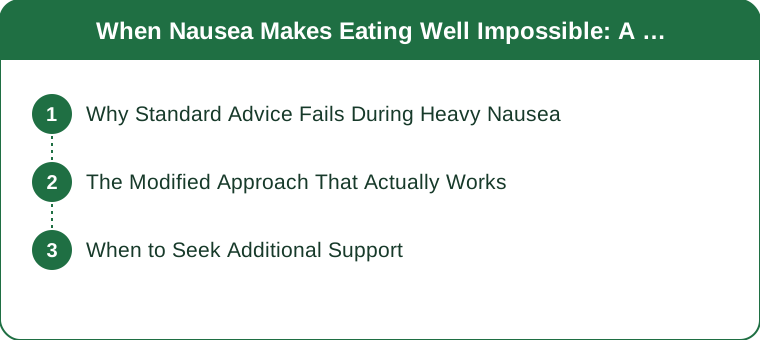
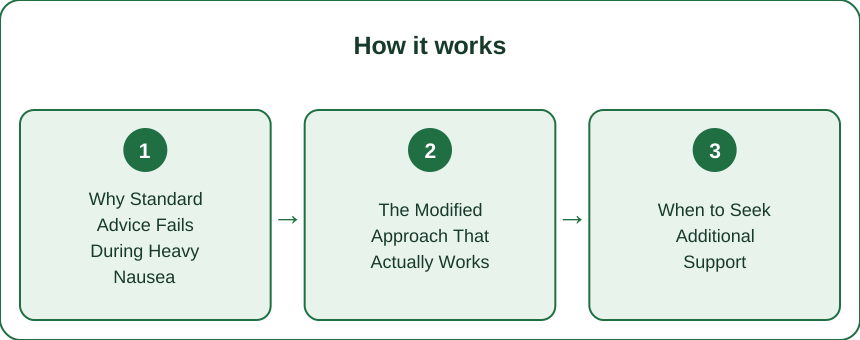
Standard pregnancy nutrition guidance — balanced plates, varied colors, specific serving targets — can feel not just difficult but almost cruel during a stretch of heavy nausea, when even the thought of a balanced meal triggers queasiness. The advice isn’t wrong, it’s just aimed at a body that isn’t yours this week. Here is why the standard approach fails during heavy nausea, the modified approach that actually works, and when to seek additional support. This is general information, not medical advice.

Why Standard Advice Fails During Heavy Nausea
The mismatch: the the-advice-assumes-a-functioning-appetite (the standard nutrition guidance built around an appetite that can tolerate variety and volume, an assumption nausea directly breaks — the the-premise-itself-doesn’t-hold), the the-guilt-compounds-the-physical-problem (the pressure to eat ‘properly’ adding a layer of guilt and stress on top of an already difficult physical experience from the morning-sickness-eating-guide logic — the guilt-makes-a-hard-week-harder), the the-aversions-are-often-to-exactly-the-recommended-foods (the common nausea-triggering aversions frequently targeting vegetables, meat and other standard ‘healthy plate’ components specifically — the the-recommended-foods-are-often-the-least-tolerable-ones), the the-small-frequent-eating-contradicts-balanced-meal-framing (the nausea often responding better to small frequent bites than to sit-down balanced meals, which the standard framing doesn’t emphasize — the meal-structure-itself-needs-to-change-not-just-content), the the-short-term-nutrient-gaps-are-usually-not-the-emergency-they-feel-like (the a temporary period of limited variety typically being less medically significant than the anxiety around it suggests, for most pregnancies — the the-anxiety-often-outpaces-the-actual-risk), and the reframe (the standard advice as built for the wrong starting condition during a heavy nausea stretch — the goal temporarily shifts from balanced to simply keeping something down)).

The Modified Approach That Actually Works
What to actually prioritize: the anything-tolerable-beats-the-ideal-untolerated-food (the eating whatever stays down, even if repetitive or nutritionally narrow, being the correct priority over an untouched balanced plate — the tolerated-and-narrow-beats-ideal-and-untouched), the the-bland-and-cold-foods-often-tolerate-better (the bland, room-temperature or cold foods frequently sitting better than hot, strongly aromatic dishes during nausea — the temperature-and-aroma-affect-tolerance-a-lot), the the-small-frequent-bites-over-full-meals (the eating small amounts every one to two hours rather than forcing three full meals, which tends to reduce both nausea and the pressure around eating — the frequency-over-volume-as-the-structure), the the-ginger-and-specific-mild-aids (the ginger in various forms having reasonably supported use for mild nausea relief for many pregnant women — the a-modestly-supported-simple-aid), the the-hydration-takes-priority-when-solid-food-is-hardest (the prioritizing fluids and hydration specifically on the days solid food feels impossible, since dehydration compounds nausea from the hydration-during-pregnancy logic — the fluids-first-on-the-hardest-days), and the frame (the modified approach as tolerated food over ideal food, bland and cold options, small frequent bites, ginger as a mild aid, and hydration prioritized on the hardest days — a genuinely different, temporary framework, not a failure to follow the normal one).
When to Seek Additional Support
The signals worth acting on: the the-inability-to-keep-any-fluids-down (the persistent inability to retain fluids being a signal to contact a provider promptly, distinct from ordinary nausea — the fluid-retention-failure-is-the-clearest-flag), the the-significant-weight-loss (the noticeable, ongoing weight loss during pregnancy being worth reporting rather than assuming it will simply resolve — the weight-loss-not-weight-plateau-is-the-concern), the the-severe-persistent-vomiting (the frequent, severe vomiting beyond typical morning sickness potentially indicating a condition requiring specific medical management — the severity-and-frequency-both-matter), the the-signs-of-dehydration (the dark urine, dizziness or reduced urination being physical signs worth reporting promptly — the physical-signs-not-just-a-feeling-of-being-unwell), the the-your-own-sense-that-something-is-different-matters (the a persistent sense that this feels different or worse than typical nausea being valid reason enough to check in, without needing to meet a specific severity threshold first — the your-own-instinct-is-a-valid-reason-to-call), and the frame (the signals worth acting on as inability to keep fluids down, significant weight loss, severe or frequent vomiting, dehydration signs, and simply a strong personal sense that something is off — reaching out early is always reasonable, not an overreaction. This is general information, not medical advice.)
Standard pregnancy nutrition advice assumes a functioning appetite that heavy nausea directly undermines, since common aversions often target exactly the vegetables and proteins that make up the ‘balanced plate’ recommendation, and the pressure to eat properly can compound an already difficult physical experience with guilt. During a heavy nausea stretch, the priority shifts to whatever food actually stays down over the nutritionally ideal food that doesn’t, favoring bland or cold options, small frequent bites over full sit-down meals, ginger as a modestly supported mild aid, and fluids prioritized above solid food on the hardest days. Reach out to a provider for inability to keep any fluids down, significant ongoing weight loss, severe or frequent vomiting, signs of dehydration, or simply a strong personal sense that something feels different or worse than typical nausea — that instinct alone is reason enough to call. This is general information, not medical advice.
Keep Reading
This article is for general informational purposes only and is not medical advice. Always consult a qualified health professional for guidance specific to you.