Are Pregnancy Cravings Your Body Telling You Something? What the Research Actually Shows
Quick Answer: Most pregnancy cravings are driven by hormonal shifts in taste and smell sensitivity, not a precise nutrient signal — with one notable exception: craving ice, dirt, or non-food items (pica) can genuinely indicate iron deficiency and is worth mentioning to your doctor.
The idea that ‘craving X means your body needs Y’ is everywhere, but the actual science is much less tidy than that. Some cravings are just hormones changing how food tastes; a specific few are worth paying real attention to.

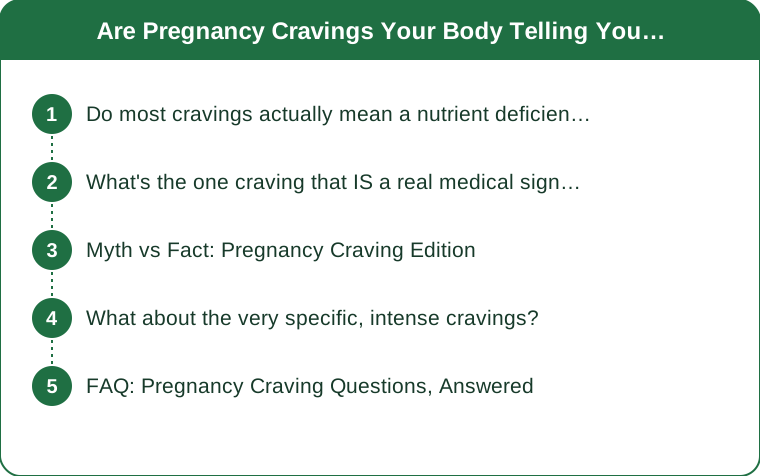
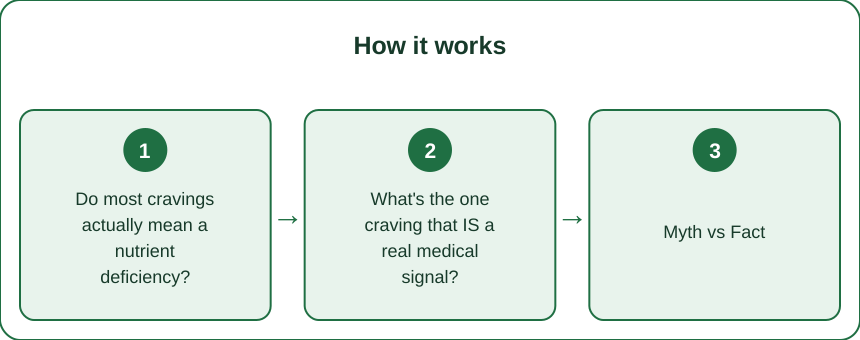
Do most cravings actually mean a nutrient deficiency?
Not in a direct, one-to-one way. Research hasn’t found strong evidence that craving chocolate means you need magnesium, or craving red meat means you need iron, in the tidy way that gets repeated online.
What’s better supported: pregnancy hormones alter taste and smell sensitivity, sometimes dramatically, making certain flavors (often salty, sour, or very specific — pickles, citrus) suddenly much more appealing regardless of your nutrient status.
What’s the one craving that IS a real medical signal?
Pica — craving and eating non-food items like ice, dirt, chalk, or laundry starch — is the clearest documented link to a real deficiency, most commonly iron deficiency anemia.
Craving ice specifically (called pagophagia) is common enough in pregnancy that it’s a recognized pattern doctors watch for. If you find yourself wanting to chew ice constantly, or craving any non-food substance, that’s worth mentioning at your next appointment — it’s a legitimate medical conversation, not an odd quirk to keep to yourself.

Myth vs Fact: Pregnancy Craving Edition
Myth: Craving sweets means you’re having a girl (or boy). Fact: No scientific link between craving type and fetal sex has held up under study — this is folklore, not physiology.
Myth: You should always give in to cravings because your body knows best. Fact: Hormonally-driven cravings for less nutritious food are common and not inherently wrong to indulge occasionally, but they’re not a reliable nutrition compass — balanced eating still matters more than craving-following.
Myth: Ignoring cravings entirely is healthier. Fact: Completely denying cravings can backfire into overeating later; moderate indulgence alongside a generally balanced diet is the more sustainable approach most guidance supports.
What about the very specific, intense cravings?
Intense, narrow cravings (one specific brand of pickle, a food from childhood) are more likely tied to taste and smell sensitivity changes plus psychological comfort-seeking than a nutrient gap — pregnancy is physically and emotionally demanding, and comfort food cravings are a normal response to that, not a red flag.
The exception remains pica-type cravings (ice, non-food items) — those are the category worth flagging regardless of how ‘normal’ they might feel in the moment.
FAQ: Pregnancy Craving Questions, Answered
Is craving salty food a sign of something specific?
Often just taste sensitivity changes, though persistent, severe salt cravings alongside swelling or headaches should be mentioned to your doctor as part of routine blood pressure monitoring.
When do cravings usually peak?
Most commonly first and second trimester, often easing by the third — though this varies widely and isn’t a reliable timeline for everyone.
Should I worry if I have zero cravings at all?
No — the complete absence of cravings is just as normal as having strong ones; craving intensity varies enormously between individuals and even between pregnancies for the same person. This is general information, not medical advice.
TL;DR:
- Most cravings reflect hormone-driven taste changes, not a precise nutrient signal
- Pica (craving ice, dirt, non-food items) is the real exception — mention it to your doctor, it can signal iron deficiency
- Craving type has no established link to fetal sex — that’s folklore
- Moderate indulgence plus generally balanced eating beats either extreme (ignoring or always giving in)
This is general information, not medical advice — persistent or unusual cravings are always worth a quick mention at your next prenatal visit.
Keep Reading
This article is for general informational purposes only and is not medical advice. Always consult a qualified health professional for guidance specific to you.