What to Actually Eat When Morning Sickness Makes Every Food Sound Repulsive
Quick Answer: When food aversion is total, prioritize hydration and any calories over ‘balanced’ nutrition temporarily — bland, cold, low-odor foods (crackers, cold fruit, popsicles) are typically more tolerable than warm or strongly-scented meals, and small sips or bites every 1-2 hours beat forcing three full meals.
Every piece of advice assumes you can pick something and eat it. When genuinely nothing sounds good, the real goal temporarily shifts from ‘eat well’ to ‘get something in, and stay hydrated.’

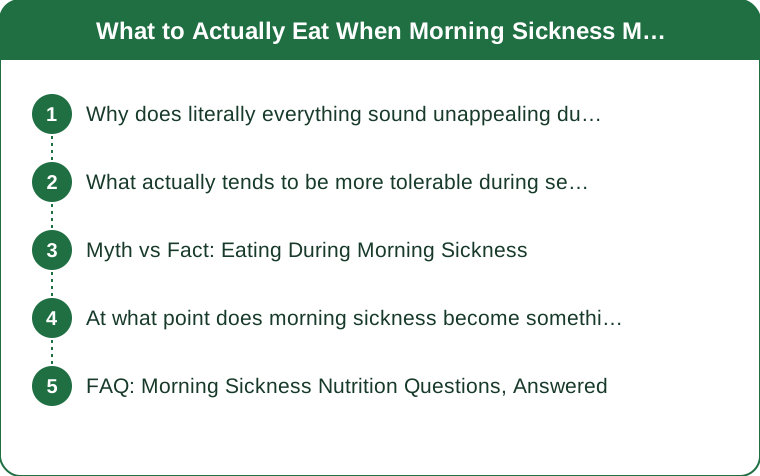
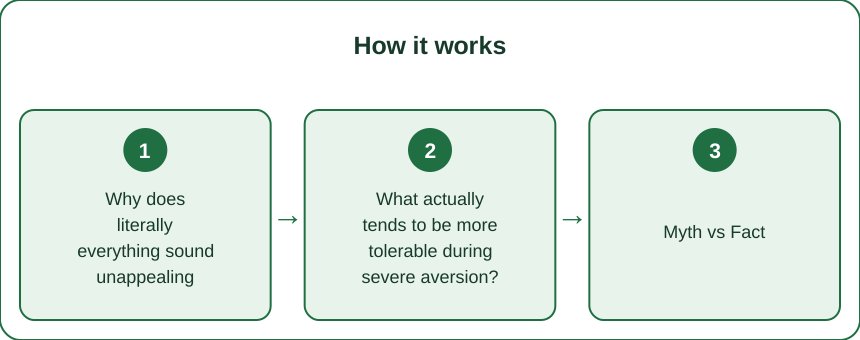
Why does literally everything sound unappealing during bad morning sickness?
Pregnancy hormones heighten sense of smell and can shift taste perception significantly, making previously enjoyed foods — especially warm, strongly-scented, or fatty ones — genuinely repulsive rather than simply less appealing.
This is a real physiological shift, not a mental block, which is why forcing ‘balanced meals’ during peak nausea often backfires and triggers vomiting rather than helping.
What actually tends to be more tolerable during severe aversion?
Cold, bland, low-odor foods are generally easier to tolerate than warm, aromatic ones — think cold fruit, crackers, plain toast, popsicles, or diluted juice, since reduced aroma at cold temperatures triggers less nausea than the smell of warm cooked food.
Many people also find tart or sour flavors (like citrus or ginger) cut through nausea better than bland-sweet options, though this varies significantly by individual — experimentation is normal and expected.

Myth vs Fact: Eating During Morning Sickness
Myth: You need to eat balanced meals even during severe nausea to protect the pregnancy. Fact: Short stretches of limited, unbalanced eating (as long as some calories and fluids go in) are generally not harmful — balance can resume once the worst of the nausea passes.
Myth: An empty stomach helps reduce nausea. Fact: For many people, an empty stomach actually worsens nausea — small, frequent bites (even just crackers) often help more than not eating at all.
Myth: Prenatal vitamins should always be taken exactly as directed regardless of nausea. Fact: Many providers recommend adjusting timing (with food, before bed) or temporarily switching formulations if vitamins are worsening nausea — this is worth discussing with your provider rather than forcing it.
At what point does morning sickness become something to flag to a doctor rather than just manage at home?
If you can’t keep any fluids down for 24+ hours, are losing weight, or show signs of dehydration (dark urine, dizziness, reduced urination), this may be hyperemesis gravidarum and warrants prompt medical attention rather than home management alone.
This is general information, not medical advice — persistent inability to keep anything down is a reasonable, common reason to contact your provider rather than waiting it out.
FAQ: Morning Sickness Nutrition Questions, Answered
Is it okay to eat the same few ‘safe foods’ repeatedly during this phase?
Yes — eating a narrow rotation of tolerable foods temporarily is completely fine and common; variety can be reintroduced once nausea eases.
Does ginger actually help with pregnancy nausea?
Many people find ginger (tea, candies, or capsules) genuinely helpful, though evidence and individual response vary — it’s a reasonable, low-risk option to try.
Should I force myself to eat vegetables during severe aversion phases?
No — during the worst of it, prioritizing any tolerated calories and hydration over specific food groups is the reasonable approach; nutritional balance can resume as aversions ease.
TL;DR:
- Total food aversion during pregnancy is a real hormonal response, not a mental block
- Cold, bland, low-odor foods are generally more tolerable than warm, aromatic meals
- Prioritizing any calories and hydration over ‘balanced’ meals is fine temporarily
- Inability to keep fluids down for 24+ hours warrants contacting your provider
When nothing sounds good, the goal isn’t a balanced plate — it’s just getting something in, and that’s enough for now. This is general information, not medical advice.
Keep Reading
This article is for general informational purposes only and is not medical advice. Always consult a qualified health professional for guidance specific to you.