Eating Through Morning Sickness: The Survival Nutrition Guide
First-trimester nutrition advice assumes an appetite the first trimester frequently deletes — leaving nauseated women guilt-stacking over beige diets. The survival guide: the eat-what-stays-down permission slip, the nausea toolkit and the triage that covers what matters. (Severe vomiting — hyperemesis — is a medical situation: call the care team.)

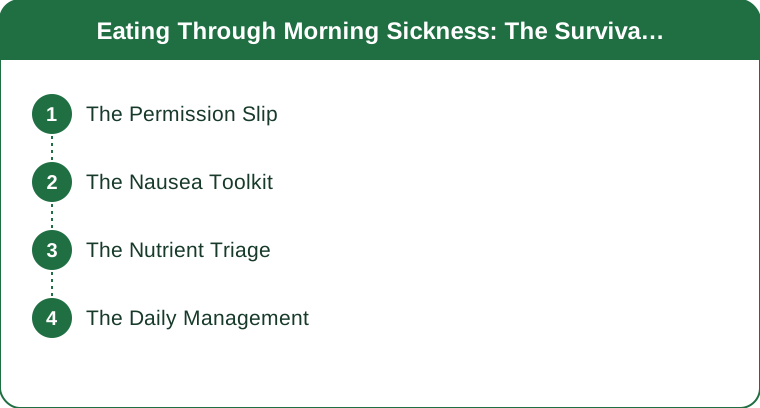
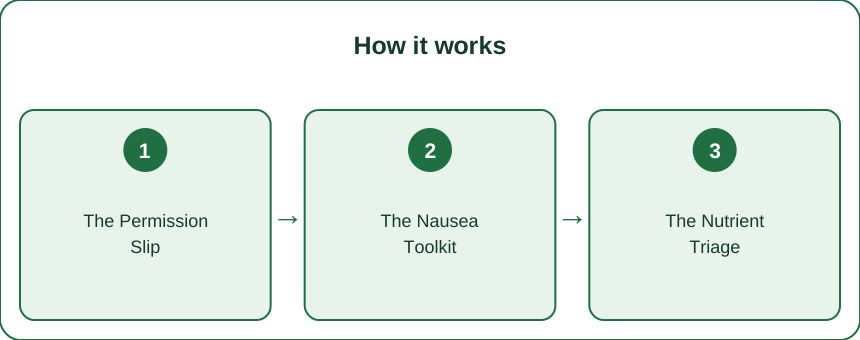
The Permission Slip
The reframe that helps most: weeks of crackers-and-toast do not harm a first-trimester pregnancy (the baby is tiny and draws on maternal stores — the balanced-plate ideal resumes when the nausea lifts; the guilt is optional and unhelpful), ‘eating something beats eating right’ is the trimester’s actual rule (calories and fluids are the priorities; variety is a later luxury), and the aversion honesty (the chicken you suddenly can’t face is hormonal, common and temporary — work around it without ceremony; the vegetables will still be there in week fourteen).
The Nausea Toolkit
The tricks with track records: the never-empty-stomach strategy (nausea feeds on emptiness — the small-constant-snacks pattern beats three meals; the bedside crackers BEFORE rising is the classic that works), the ginger evidence (real — ginger tea, chews and capsules have legitimate trial support for pregnancy nausea; the fizzy ginger drinks mostly bring comfort and sugar), the cold-food advantage (cold and room-temp foods smell less — smell is the trigger; the sandwich beats the stir-fry in the queasy weeks), the sour-and-salty lane (citrus, salted crackers, sour candies — the flavor profiles queasy palates tolerate), and the vitamin-B6 conversation (evidence-backed for pregnancy nausea — dosing through the care team).

The Nutrient Triage
What actually matters now: the folate continuity (the prenatal vitamin is the trimester’s nutritional insurance — if it won’t stay down, the with-food, at-night or gummy-format experiments are worth running, and the care team has more options), fluids outrank food (dehydration worsens nausea in a cruel loop — the sipping economy: small, constant, cold; ice chips and diluted juice count fully), the protein-when-possible tier (the tolerated dairy, the smoothie route, the cold boiled egg — protein steadies blood sugar, which steadies nausea), and the whatever-works carbs (the beige foods are doing the load-bearing work of staying down — respect them).
The Daily Management
The rhythm that survives: the morning protocol (crackers before vertical, slow rise, breakfast in shifts), the smell-management layer (cold meals, open windows, the partner-cooks diplomacy, and the lemon-sniff trick that genuinely helps some), the energy honesty (nausea plus first-trimester fatigue is a real load — the rest-without-guilt clause applies; this IS the hard part), and the lift timeline (most morning sickness eases by weeks 12-16 — the balanced plates, the iron focus and the vegetables all resume then, appetites intact and guilt retired). Survival nutrition is real nutrition for this season — beige, sipped, and completely legitimate.
Something beats perfect, never-empty stomach, ginger has receipts, fluids outrank food. Morning-sickness eating is triage — cover the basics, ride the beige weeks, resume the rainbow later.
See It in Motion
Seen here: Maternity Capris with Side Pockets — shop it on bubblelime.com
Keep Reading
This article is for general informational purposes only and is not medical advice. Always consult a qualified health professional for guidance specific to you.