Drinking for Two: The Pregnancy Hydration Guide
Quick Answer: During pregnancy, your body needs noticeably more fluid — roughly 10 cups a day is a commonly cited ballpark — to cover amniotic fluid, expanded blood volume, and general system demands. Drink steadily through the day rather than restricting fluids to cut bathroom trips, and check in with your provider if you notice signs of dehydration like dark urine, dizziness, or persistent headaches. This is general hydration guidance, not medical advice.
Eating for two is famously exaggerated — drinking for two is, if anything, understated. Pregnancy quietly pushes your water requirements up while your bladder capacity theatrically shrinks, which feels like nature’s little private joke. Here’s the actual hydration math, plus the tricks that make hitting your numbers realistic instead of exhausting.

How Much Water Do You Actually Need During Pregnancy?
Somewhere around 10 cups of fluid a day is the general pregnancy ballpark — more if you’re in a hot climate, and more still during an actual heatwave. That number accounts for everything your body is now doing on top of its usual workload: amniotic fluid is being manufactured continuously, your blood volume expands by close to half over the course of pregnancy, and essentially every system in your body is running “wetter” than before pregnancy.
That fluid count includes water from food and other beverages too, not just plain glasses of water — but plain water is still the easiest and most reliable way to hit your number.
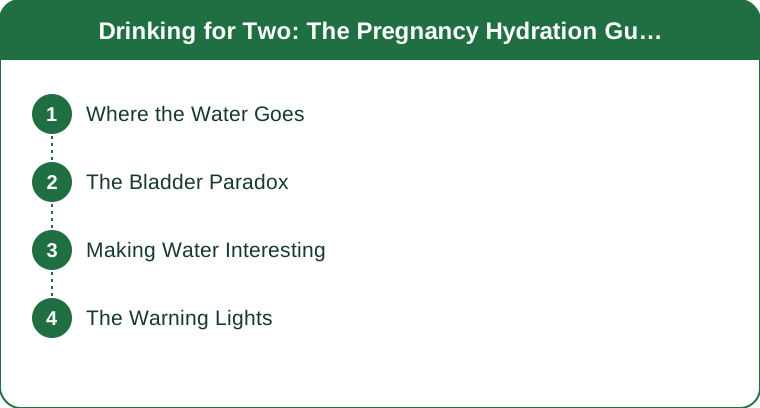
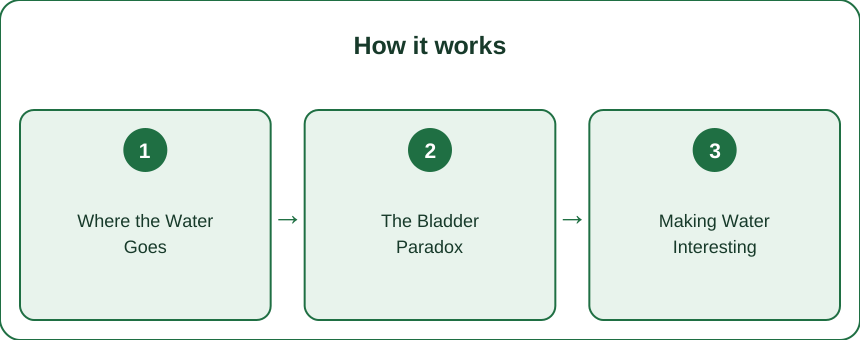
Where Does All That Extra Water Actually Go?
It’s not disappearing — it’s being put to work. Three big destinations:
- Amniotic fluid, which cushions and supports your baby and is quite literally built from what you drink.
- Expanded blood volume, which increases substantially to support both you and the placenta.
- General system support — digestion, temperature regulation, and nutrient delivery all lean harder on water during pregnancy.
Why Do You Need to Pee So Much More — and Should You Drink Less to Fix It?
Yes, more water genuinely does mean more bathroom trips — that part isn’t in your head. But no, restricting water is not the fix, and it can backfire. Concentrated urine (from not drinking enough) irritates the bladder more, not less, and dehydration can invite headaches and uncomfortable Braxton Hicks contractions. The better move is to drink steadily anyway and simply befriend every restroom map you encounter.

How Do You Make Yourself Actually Want to Drink More Water?
Pregnancy taste buds can be famously moody, so plain water sometimes just doesn’t appeal. A few reliable workarounds:
- Citrus slices — lemon, lime, or orange — dropped into a glass or bottle.
- Frozen berries used as ice cubes, which flavor the water slowly as they melt.
- Sparkling water when you’re craving fizz but want to skip soda.
- Watermelon or cucumber as edible hydration between glasses.
The honest rule of thumb: the best water is whichever version you’ll actually finish.
What Are the Warning Signs of Dehydration During Pregnancy?
A few signals are worth paying attention to: dark urine, dizziness, headaches, and cramping can all flag dehydration, and hot days deserve extra vigilance since fluid needs go up with the heat. If any of these symptoms are persistent rather than a one-off, that’s a call-your-provider matter, always — this article covers general hydration habits, not a substitute for medical guidance from your OB or midwife.
Myth vs Fact: Pregnancy Hydration
- Myth: Drinking less water reduces bathroom trips in a helpful way. Fact: It just concentrates your urine and increases irritation — the trips don’t meaningfully decrease, and dehydration risk goes up.
- Myth: Only plain water counts toward hydration. Fact: Water-rich foods like watermelon and soups, plus other beverages, all contribute to your daily total.
- Myth: Thirst is a reliable early-warning system in pregnancy. Fact: Fluid needs rise faster than thirst cues often do, so it helps to sip proactively rather than waiting to feel thirsty.
- Myth: Swelling means you should drink less. Fact: Adequate hydration actually helps your body manage fluid balance and swelling more efficiently, not less.
Mini FAQ
How much water should you drink per day during pregnancy?
A commonly cited general target is around 10 cups of fluid a day, adjusted upward for hot weather or increased activity. Food and other beverages count toward this total, though plain water is the simplest way to stay on track.
Is it normal to pee constantly during pregnancy?
Yes — increased fluid needs combined with physical changes to your bladder capacity both contribute to more frequent bathroom trips. It’s a normal and expected part of pregnancy hydration, not a sign you’re drinking too much.
What are signs you’re not drinking enough water while pregnant?
Dark-colored urine, dizziness, headaches, and cramping can all indicate dehydration, and these deserve extra attention on hot days. If symptoms persist, reach out to your healthcare provider rather than trying to self-manage it.
TL;DR
- Aim for roughly 10 cups of fluid a day during pregnancy, more in hot weather.
- Extra water goes toward amniotic fluid, expanded blood volume, and overall system support.
- Don’t restrict water to reduce bathroom trips — it backfires by concentrating urine.
- Flavor water with citrus, frozen berries, or sparkling water if plain water feels unappealing.
- Watch for dark urine, dizziness, headaches, or cramping, and call your provider if symptoms persist.
Keep Reading
This article is for general informational purposes only and is not medical advice. Always consult a qualified health professional for guidance specific to you.